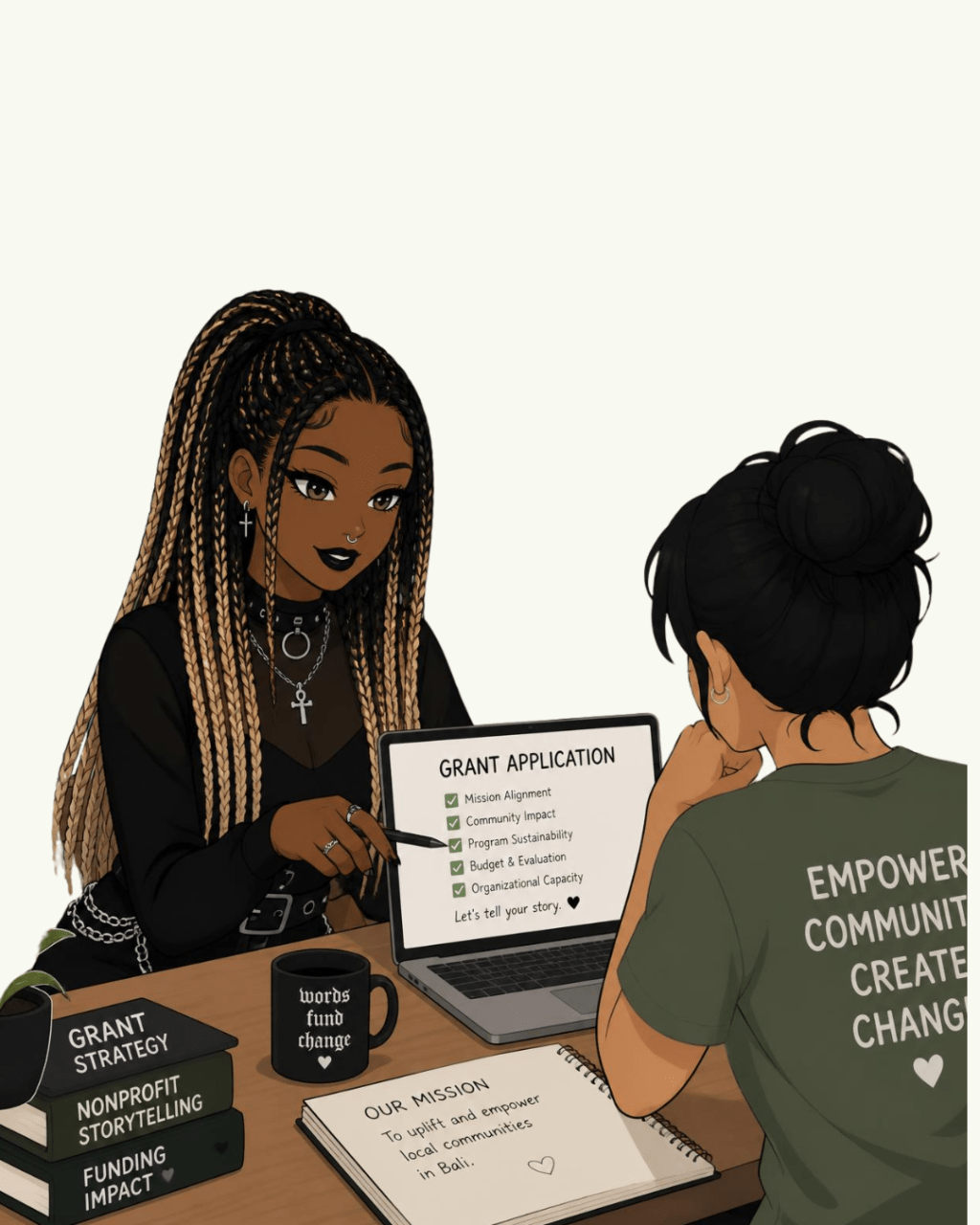
If your organization has been rejected for funding, you’re not alone.
Just at the federal level, organizations like the National Institute of Health (NIH) and the National Science Foundation (NSF) have funding success rates that range from 13% to 30%.
Does this mean that you should give up funding forever? No.
But your organization does need to be more intentional about finding the right grant. Unless you want to continue to get rejected.
What’s stopping you from finding the right grants for your nonprofit? Here are 5 issues.
Searching Too Broadly
You’re starting on the wrong foot if you’re typing in vague keywords for grants.
The more clearly defined your search, the better your chances of discovering the grants that align with your mission.
Instead of typing “grants for nonprofits”, you want to narrow down grants based on factors like:
- Your organization’s mission
- Program area
- Geographic location
- Organization size, and
- Funding needs.
Tip: Before applying for grants, create a grant readiness profile. This profile will help you clearly define these factors, and serve as your navigation guide during your search.
Not Understanding Grant Eligibility
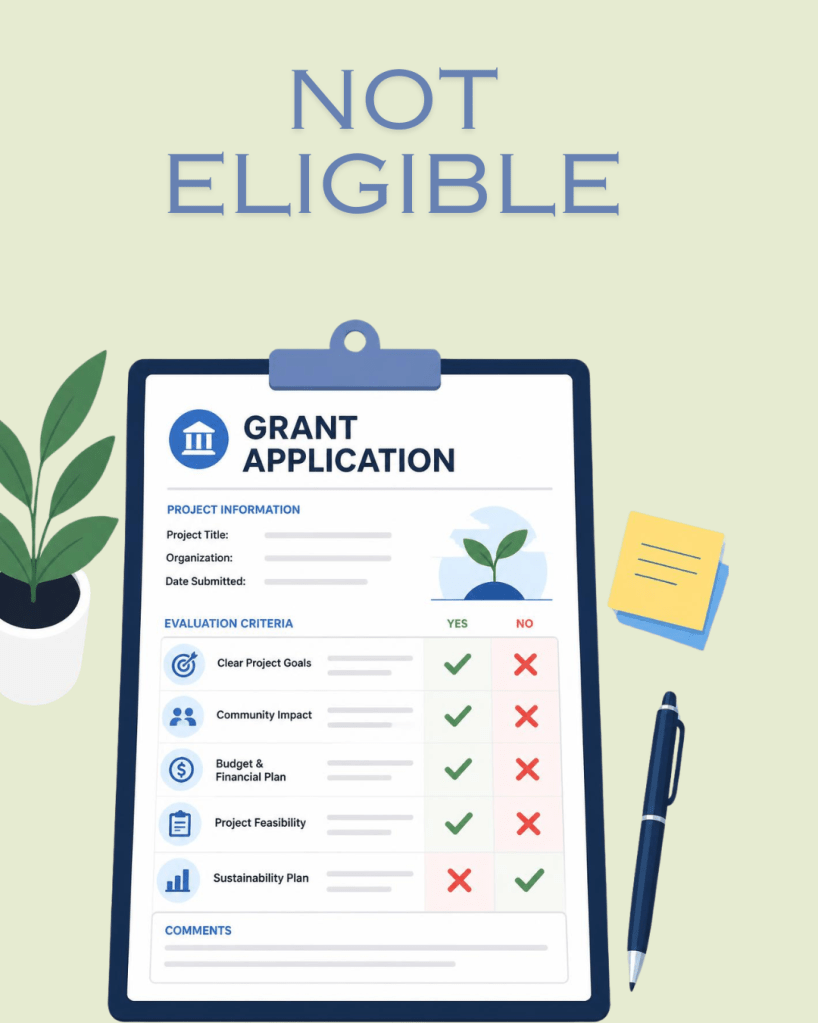
Not every grant is meant for your organization.
A common mistake many nonprofits make is failing to understand the eligibility requirements – only to realize that they didn’t meet the geographic or program requirements.
You don’t want to spend hours applying for a grant that you’re not even eligible for in the first place.
Most importantly, you don’t want to be approved for a grant and lose out on future funding because you weren’t aware of funding restrictions.
Tip: Take the time to review all application requirements. Pay special attention to factors like geographic restrictions, organization type, program requirements, and budget requirements.
Focusing Only on The Grant Amount
The largest grant isn’t always the best grant for your organization.
One of the biggest mistakes nonprofits make is placing too much attention on the award amount. If you have to restructure your entire program to potentially get approved for a grant, that’s a major indicator that the grant isn’t for you.
Tip: Don’t just apply for a grant based on the award amount. In addition to mission alignment, consider factors like:
- Whether your nonprofit can manage the reporting requirements.
- Whether the funding can actually support your program.
- Whether the relationship can lead to future funding opportunities.
Failing to Research The Funder
Similar to mission alignment, nonprofits make the mistake of failing to research the funder.
Just like with any other writing assignment, your audience matters. The less you know about the funder, the harder you make the application process for yourself.
Knowing the funder’s priorities can help you strengthen your needs statement, project description, evaluation plan, and other sections of your grant proposal.
Tip: Start locally. Research the funders within your geographical area. Study their past funding history, which organizations they have awarded grants to in the past, and what your organization has in common with past winners.
A great resource that you can take advantage of is the Foundation Center. This is a directory that helps nonprofits search for grants and directly connect with foundations.
Ignoring Grant Research
Last but not least, nonprofits fail to conduct the proper research.
Grant research is one of those time-consuming tasks that can save you more time in the future. You can use certain factors to narrow down your search to 5 or 6 grants, and spend your time accordingly instead of applying to 10 or 20 grants.
When applying to grants, organization is key.
Tip: Create a funder research tracker. This document will help your nonprofit keep track of application deadlines, funder priorities, future grant opportunities, and contact information of potential funders.
Conclusion
Finding grants is about finding opportunities that align with your mission, programs, eligibility, and goals.
Keep these factors in mind whenever you apply for grants, and you’ll find the right grant for your nonprofit.
If your nonprofit is spending hours searching for grants without knowing which opportunities are worth pursuing, professional grant research can help.
Click here to contact me for grant research or grant writing assistance.
References:
https://www.scientifyresearch.org/blog/dealing-with-grant-rejections


Leave a comment