Nobody wants to waste their time and money.
But that’s exactly what you do when you apply to grants that don’t align with your mission.
I don’t care how much the grant is. You’re not entitled to it just because your organization is in need of funding or that you meet the requirements.
If that’s your only criteria, don’t even apply.
Mission alignment is a very important factor in grant applications. The greater you can align your organization’s mission with a funder’s mission, the greater your chances of receiving funding.
In this blog post, I’ll break down why mission alignment matters and the best ways to find grant opportunities that match your mission.
Why Mission Alignment Matters in Grant Seeking
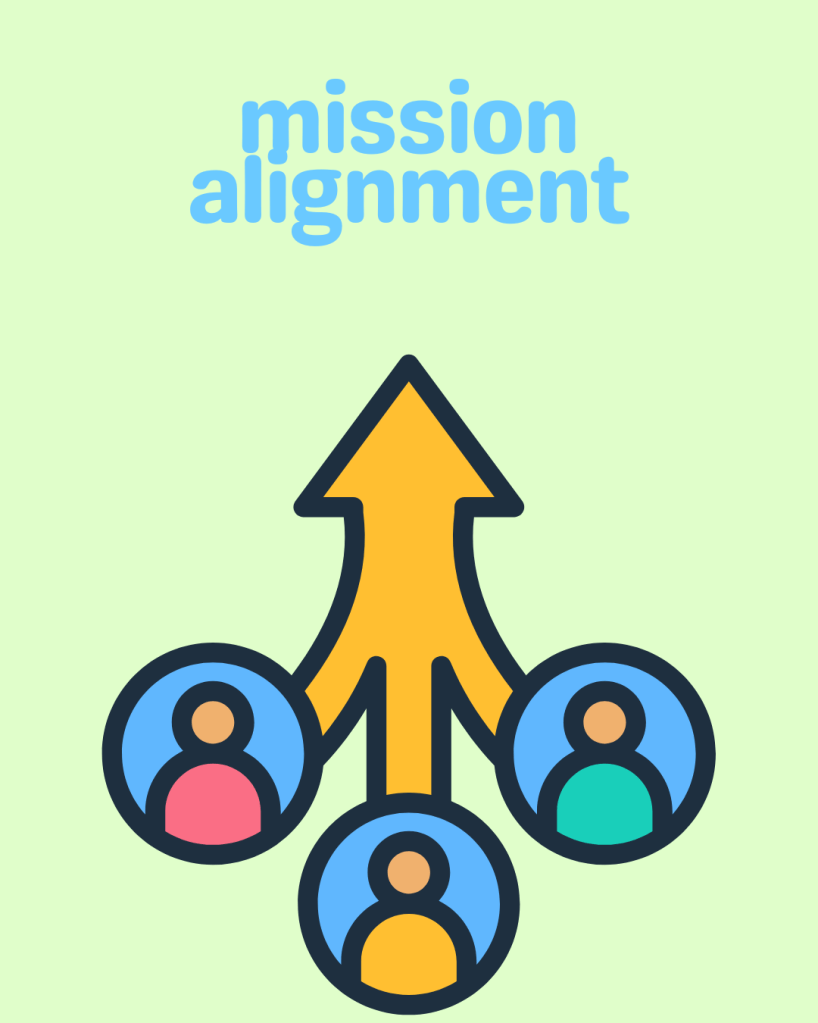
Mission alignment is more than just an eligibility checklist.
It’s synergy. The strength of how well your organization’s goals, outcomes, and programs align with a funder’s priorities and mission.
When you apply to grants based on mission alignment, it’s a win-win situation for you and the funders. Funders are looking for organizations who share their same priorities and values.
And when your programs automatically align with their priorities, it’s easier for reviewers to justify your proposal.
What does this mean for your organization?
- Stronger proposals
- Better use of staff time
- Stronger long-term funder relationships.
Instead of wasting time trying to make your programs fit into whatever grant you’re applying for, you spend additional time strengthening your needs statement and connecting your programs effortlessly.
Even better, you have the chance to intentionally build long-term relationships with funders. Funders are looking for organizations who are interested in long-term projects.
Consistently aligning your mission to a funder’s mission exposes you to opportunities like:
- Repeat funding
- Personal invitations to apply
- Multi-year grants
- Partnership opportunities.
Now that you know the benefits behind mission alignment, let’s break down the best steps to help your organization find the right funders for your mission.
Clearly Define Your Organization’s Mission and Funding Needs
The first step you need to take is to establish your mission statement.
PROBLEM: Many organizations fail to define their mission statement before applying. They won’t even think about it until it’s time to write their grant proposal.
SOLUTION: Create a grant readiness profile.
A grant readiness profile is a group of the most critical documents needed for your grant application. It’s essentially a proactive way to help you cut down on your proposal writing process.
One of the documents that you can include in your grant readiness profile is a mission statement document. In this document, you can ask yourself:
- What problem is your organization trying to solve?
- Who do we serve?
- What outcomes are we working toward?
In addition to these questions, you can include a section that lists your funding priorities. This is where you consider every financial aspect of your programs, like:
- Program expansion
- Staffing support
- Equipment
- Capacity building
- Community outreach.
With your mission statement to fall back on, you remind yourself what your organization stands for.
Research Funders That Support Similar Causes

After defining your mission statement, you want to create a list of funders who have similar causes to yours.
PROBLEM: Many organizations don’t take the time to research funders. They just start applying.
SOLUTION: Work with a grant writer to conduct research on potential funders.
Why work with a grant writer? Because a grant writer knows the best ways – online and offline – to research grant opportunities.
For online, they can help you research foundation databases and community foundation websites to learn more information on funders.
For offline, they can recommend specific local funder events, community foundations, and corporate philanthropy programs to attend.
Review Funder Guidelines Carefully
While you’re conducting research for potential funders, you want to carefully review each funder’s guidelines.
PROBLEM: Many organizations ignore the most important criteria for a grant – eligibility requirements. Sometimes they’ll decide to apply for a grant based on its amount.
SOLUTION: Study a funder’s previously funded projects.
You’ll be surprised what you learn from a funder’s previously funded projects. Pay attention to important information like:
- Common themes
- Former funded organizations
- Types of successful programs, and
- Typical award sizes.
Take special note of how closely these projects resemble yours. The more similarities you find, the better you can align those similarities to your mission.
Build Relationships Before Applying
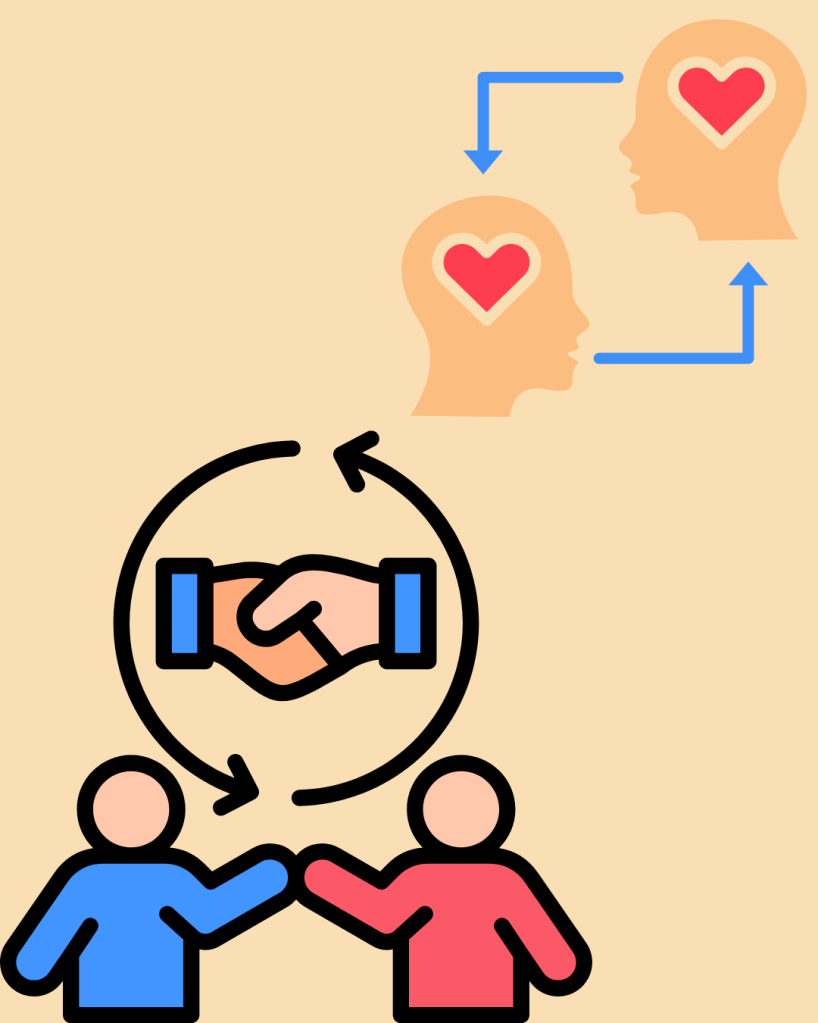
After reviewing the funder’s guidelines, you want to do something that will help your organization stand out: connect with funders.
Think about how many organizations apply to just one grant. In a sea of thousands of nonprofits, what unique angle does your organization have?
There’s no better way to stand out than physically introducing yourself to a funder. This can be done by attending community webinars or participating in community events.
Leaving a great first impression in person is always memorable.
Even online, you can still connect with funders in genuine ways. At the very least, you can follow them online through different social media platforms.
PROBLEM: Some organizations spam funders before introducing their organizations properly.
SOLUTION: Remember to act like a real human.
Don’t be so quick to sell your nonprofit. Remember, you’re building a long-term relationship with the funder.
Engage in a little bit of give and take. Before you ask for any support, interact with the funder’s content.
Subscribe to their newsletter. Leave a genuine comment under their social media posts.
If you notice a lack of content on a funder’s page, offer to help them in that area.
Take the opportunity to ask in-depth questions about the funder’s priorities. This is another way to go above and beyond and stand out amongst other nonprofits.
Building a Grant Prospect List
So, you’ve defined your mission statement, conducted some research on potential funders, and started building relationships with them. What’s the last step?
Building a grant prospect list.
A grant prospect list could be something as simple as a spreadsheet of potential funders. You can include information such as:
- Funders’ names
- Mission focus
- Funding amount
- Application deadline
- Contact information, and
- Eligibility requirements.
This little document can help you so much throughout the proposal process.
PROBLEM: Many organizations copy the same proposal for every funder. Because of this, their proposals sound like everyone else.
SOLUTION: Use your grant prospect list to personalize each grant proposal.
Because you don’t have to spend time researching each funder’s information, you can use that time to strengthen your mission alignment and organizational goals.
Final Thoughts
When it comes to grant proposals, quality trumps quantity.
Make the best use of your time by focusing on mission alignment. Don’t spend time applying to grants outside of your mission.
Make sure that your organization’s mission coincides with what the funders are looking for. Be proactive with your grant research and build relationships with funders who match your mission.
Need Help with Grant Research?
Looking for help identifying grant opportunities that align with your mission?
I provide grant research and grant writing services to nonprofits who are looking for the right funding opportunities.
Contact me today to request a proposal.
 Valeria Publications
Leave a comment