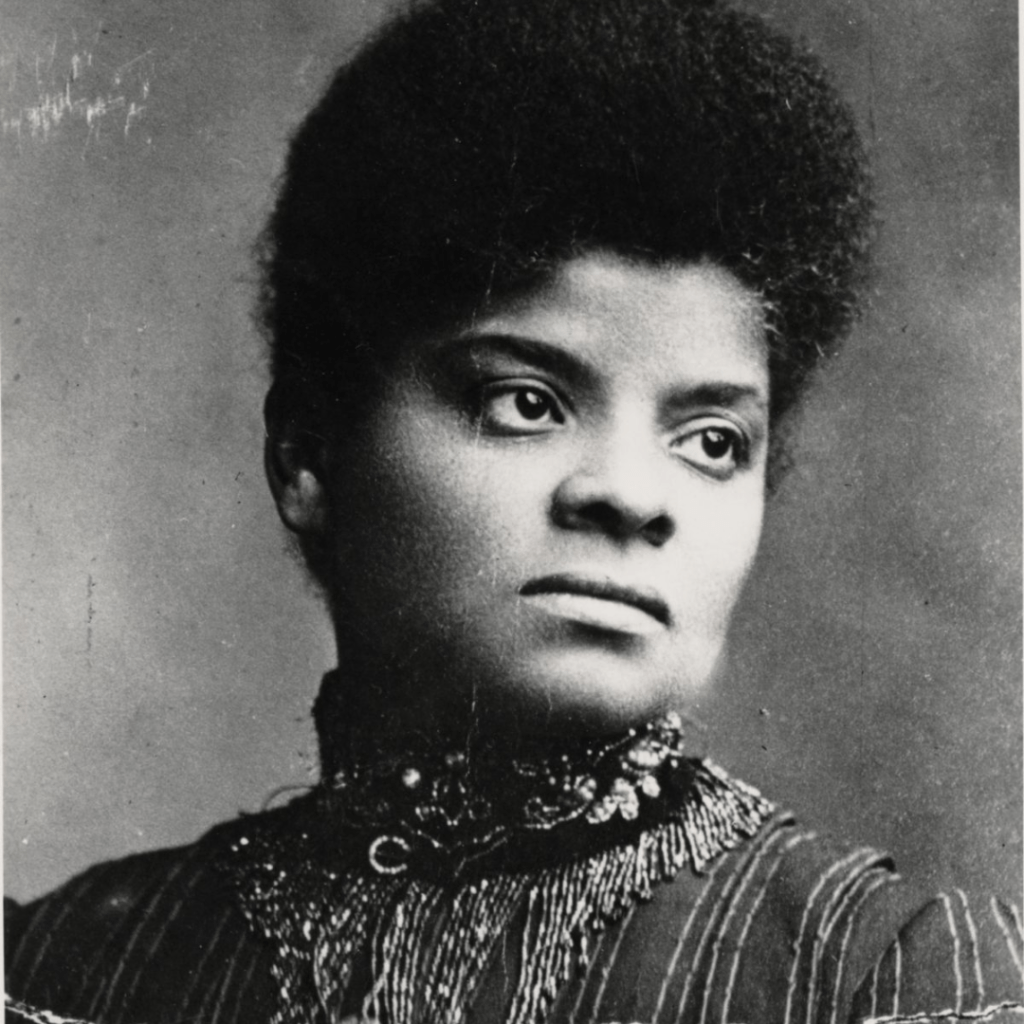
Imagine your actions or words living long after you’ve been gone. And I don’t mean ten or twenty years.
I’m talking about hundreds of years after you’ve passed.
I’m proud to say that that is the case with many of our Black publishers and writers. To this day, we still reference their published works when we want to know about the injustices that Black people faced.
And that’s absolutely true when we talk about one of the best investigative journalists in journalism: Ida B. Wells.
Everything that we know about lynching and civil rights organizations is because of Wells’ investigative work.
And just like other Black journalists, she risked her life to speak truth to power.
Being Born Into Slavery
Ida’s life would begin on July 16, 1862 in Holly Springs, Mississippi, where she was the oldest of eight children. Her parents – James Wells and Elizabeth Warrenton – were two slaves on the infamous Bolling Farm.
After they were emancipated, James Wells began a carpentry business and Elizabeth became a famous cook. Both of her parents instilled a love of education and politics into Ida at a young age. Her father in particular was very active in Reconstruction Era politics.
While still living in Holly Springs, Ida enrolled in Rust College, a historically Black college at the time. Unfortunately, she was expelled from the school due to a dispute with the University’s president. Although this would be the first time that Ida challenged the leadership of an organization, it certainly wouldn’t be the last.
Tragedy struck the Wells family in 1878. While Ida was visiting her grandmother, a yellow fever epidemic struck her hometown and took the lives of both of her parents and her youngest brother.
To keep her family together, Ida accepted a teaching job in Memphis, Tennessee.
Ida’s First Civil Rights Case

It was in Tennessee that Ida would start her civil rights journey. Her first taste of injustice began in Memphis with a train car company. Even though Ida paid for her seat, she was ordered to give it up to first-class ladies and move to another section that was overcrowded with passengers.
When she refused, she was dragged out of the car by two men and the conductor. Ida retaliated by filing a lawsuit against the company.
Fortunately, Ida won her lawsuit in the local circuit court in 1884. Unfortunately, the Tennessee Supreme Court reversed the ruling in 1887. This unfair ruling gave Wells a glimpse into civil rights and would be the catalyst for Ida’s journalism and activist career.
Writing With Several Black Publications
While still teaching, Ida also wrote weekly articles for several Black publications. She wrote weekly articles for the Evening Star and The Living Way, two Memphis newspapers. Most of her articles were under her pen name “Iola”, and criticized the Jim Crow policies.
In 1889, she became the co-owner of the Black-owned newspaper The Free Speech and Headlight.
Ida realized how powerful her words were in 1891. The Memphis Board of Education dismissed her from her teaching job due to some articles that she had written condemning the conditions of Black schools in Memphis.
But it was a life-changing event in 1892 that would inspire Ida to conduct one of the most important campaigns of her career.
The People’s Grocery Lynchings
On March 2, 1892, a fight broke out in front of the People’s Grocery, a Black-owned grocery store co-owned by Thomas Moss, a close friend of Wells.
The fight was between a Black youth and a White youth. Because it seemed like the Black youth was winning the fight, the White youth’s father intervened. Two of the grocery store’s employees – William Stewart and Calvin McDowell – also intervened on the Black boy’s behalf.
The next day, a similar but more deadly incident happened. A White grocer returned to the grocery store with a Shelby County Sheriff Deputy asking for Stewart’s whereabouts. Because McDowell wouldn’t give him the response he wanted, the White grocer tried to pistol whip McDowell.
McDowell wrestled the gun away from the White grocer and fired at him. He missed and was apprehended.
Even though McDowell was released a few hours later, warrants were also issued for Stewart and Armour Harris, the Black youth who was involved in the fight. This infuriated the Black residents of Memphis.
On March 5, a group of six White men came back to People’s Grocery with another Sheriff’s deputy. When they entered the store, they were shot at and several were hit. One of the men who was hit was the Sheriff’s Deputy.
Thomas Moss, William Stewart, and Calvin McDowell were arrested and jailed. Sadly, they would not make it to trial.
On March 9, 75 men surrounded the Shelby County Jail where Moss, Stewart, and McDowell were jailed. They illegally transported them to a Chesapeake & Ohio railroad yard one mile away from Memphis.
The three men were viciously shot several times with a shotgun.
Ida’s Anti-Lynching Campaign
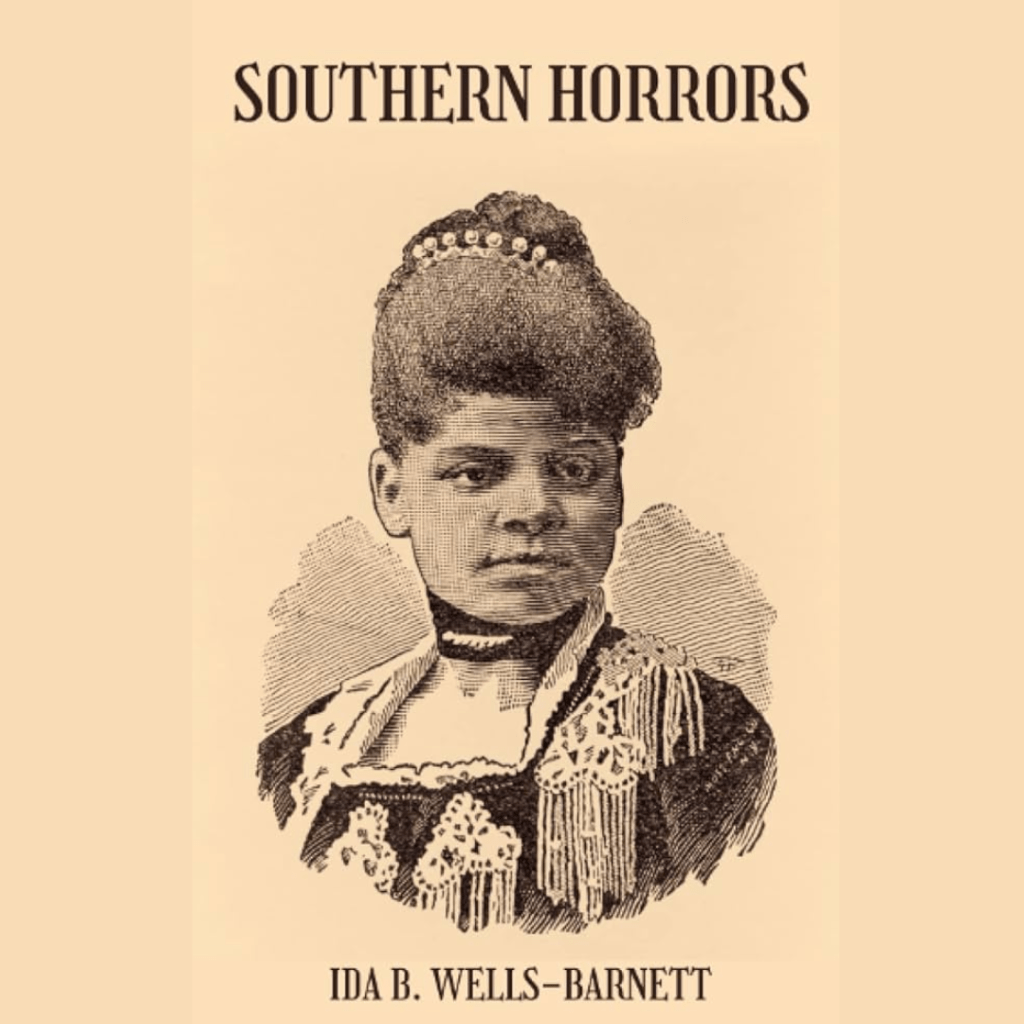
After her friend’s lynching, Ida retaliated through the Free Speech newspaper. She proposed that all Black residents leave Memphis to protect their lives and property.
Even though her friends’ lynchings were horrific and traumatic, Ida put her pain into her work. She began conducting interviews with people who were associated with numerous lynchings and shed light on the violent act.
Ida’s investigative work revealed the true horrors of lynching. Before her investigations, the Black men who were lynched were alleged to have committed acts of rape against White women.
Ida’s commentaries revealed two important truths about the lynchings in the South:
- Black men were falsely accused of raping White women to justify the horrific violence done to them.
- As soon as Black people advanced economically, the number of lynchings increased.
Before Ida’s investigation, lynching was not studied from an economic or social perspective. White publications intentionally misinformed the public and painted the victims as sexually depraved monsters.
And White newspapers weren’t happy about the editorials that Ida wrote. Several publications criticized and threatened Ida. But the racist newspapers couldn’t deny her impact. Her information was being consumed by the general public.
To Be Continued







 Valeria Publications
Leave a comment