
A couple of weeks ago, I wrote an article about the top health issues that writers face.
This week, I’m going to share some vitamins and supplements that can help reduce those issues.
Disclaimer: Do not treat this blog post as medical advice. I am not someone who specializes in healthcare. But I am a writer who wants to live a long, healthy life.
And I believe that’s possible through prevention.
As writers, it’s easy for us to live through our words. But to do that for as long as possible, we have to take great care of our bodies.
What Writers Need from Vitamins and Supplements
Have you ever gone to WebMD to look up symptoms after experiencing some pain? I know I have.
And usually, it didn’t make me feel better.
It’s easy for us to look up symptoms and expect the worst. But sometimes, those little aches and pains are a symptom of a vitamin or nutrient deficiency.
That’s what a majority of the health issues are for writers. They appear to be little pains and aches that, over time, can transform into serious health conditions.
Writers shouldn’t just take vitamins because it’s something to do. They should take vitamins that specifically help them with whatever health issue they’re facing.
As writers, some of the health issues we face are:
- Increased risk of depression.
- Anxiety and stress.
- Mental fog.
- Ergonomic pain.
- Vision issues.
- Headaches.
- Lack of energy.
- Sleep disorders.
Fortunately, each of the vitamins and supplements mentioned have benefits that eliminate these problems.
Here are some of the best vitamins and supplements for writers to take.
Vitamin D

Vitamin D is a vitamin that is known for assisting with bone structure. But it has so many more benefits.
Aside from bone health, vitamin D helps with:
- Keeping brain cells functioning.
- Strengthening muscles.
- Keeping the immune system healthy.
- Regulating moods.
- Preventing high blood pressure.
Why do writers need vitamin D? An easier question would be why a writer wouldn’t need vitamin D.
Physical pain and mental pain go hand in hand for writers. Sitting for long periods of time can increase the risks of serious conditions like heart disease and depression.
Vitamin D can increase a person’s energy levels, assist with healthy brain cell activity, and support immune health.
According to Mayo Clinic, the recommended amount for people ages 1 to 70 is 600 IU. But there are certain groups of people who need additional vitamin D requirements for various reasons.
If you’re a writer who wants to add more vitamin D to your diet, check with your primary physician first.
Magnesium
Another unappreciated mineral for writers is magnesium.
Why is it unappreciated? Because it’s a great mineral that helps with reducing anxiety and stress.
No matter what type of writer you are, you’re used to working in stressful conditions. Meeting deadlines and rewriting material can cause enough anxiety.
Known for regulating muscle and nerve function, magnesium also assists with:
- Improving focus and concentration.
- Improving mood and sleep.
- Boosting energy.
- Reducing migraine headaches.
- Regulating blood sugar levels.
- Improving digestion.
Because magnesium has so many different functions, there are three different types. Magnesium Glycinate, for example, is best for reducing stress and anxiety.
Magnesium L-Threonate, on the other hand, assists with brain function and memory.
Magnesium Citrate is the best magnesium for digestion. To determine what the best magnesium is for you, speak with your physician.
B Complex Vitamins
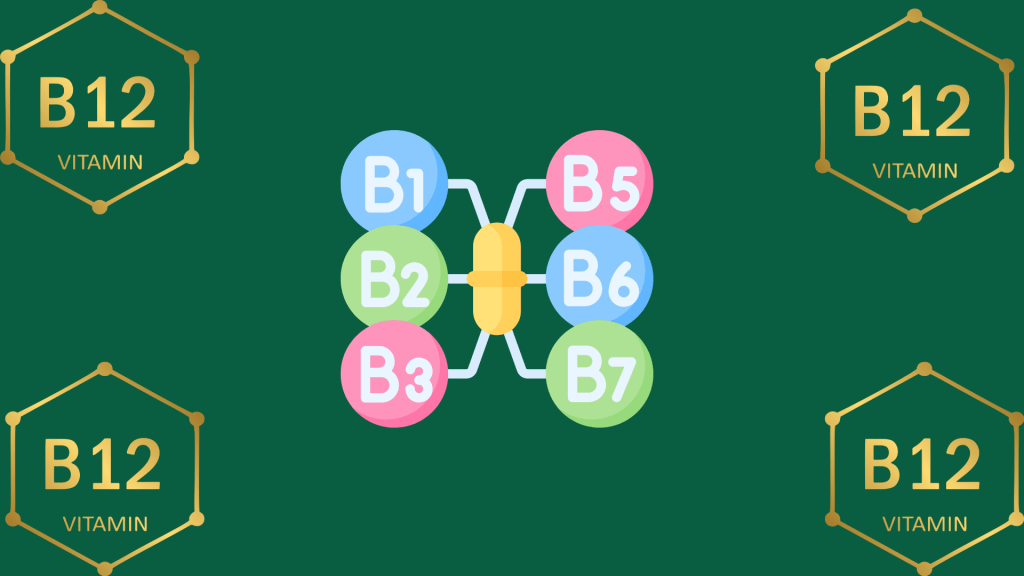
Another common issue that writers suffer from is burnout. This could be from a combination of stamina problems and stress management.
B vitamins are a great way for writers to maintain high physical energy and brain activity.
Remember when Mario would get a boost in energy after eating the mushrooms?
That’s what taking B vitamins can do for writers.
B vitamins are a great source for converting natural energy. Unlike energy drinks with a bunch of sugar, these vitamins help convert energy from the natural food that you eat.
Now instead of relying on energy drinks or caffeine, you have an organic energy rush that keeps you going throughout the day.
B vitamins also help with:
- Sharpening focus, reducing the chances of a “mental fog.”
- Regulating stress response, helping to balance moods.
- Maintaining stamina, reducing the risk of burnout.
- Supporting healthy sleep patterns.
Taking B vitamins daily may help increase energy and reduce the mental fog that we experience as writers. The recommended intake for B vitamins varies.
For young adults, the recommended daily dosage would be 400 micrograms, while older adults are expected to take 600 micrograms a day. To determine your best intake, speak with your physician before taking any B vitamins.
Fish Oil
Fish oil is the oil extracted from the tissues of oily fish like salmon, tuna, and herring. It can be transformed into supplements to help people with omega-3 deficiencies.
Why is fish oil so beneficial? It aids in supporting heart health, brain function, and eye health.
Fish oil supplements contain omega-3 fatty acids that are not produced by the body, such as EPA (eicosapentaenoic acid) and DHA (docosahexaenoic acid). They can help writers by:
- Reducing eye strain and joint pain.
- Improving brain function.
- Supporting heart health.
- Increasing focus and attention.
- Reducing inflammation.
- Improving sleep quality.
Many health professionals recommend taking fish oil supplements with food to avoid any nausea. But you know the drill. Consult with your physician before taking any fish oil supplements.
Ashwagandha

Last but certainly not least is the powerful herb known as Ashwagandha.
This traditional Ayurvedic herb has powerful benefits for writers. Just like magnesium, it’s a great supplement for reducing stress and anxiety.
In addition to helping the body manage stress, Ashwagandha can help with:
- Improving brain functions.
- Enhancing sleep quality.
- Reducing mental fatigue.
- Boosting creative energy.
- Regulating emotions.
- Supporting physical and mental stamina.
Ashwagandha can help writers stay focused throughout the day, remain mentally sharp, and feel calmer no matter the circumstance.
Again, before taking Ashwagandha, speak with your physician. You may have questions that they can answer, like what is the best time to take Ashwagandha and if it can be paired with other vitamins.
Final Thoughts
As writers, keeping our minds and bodies in top shape should be the goal.
And you don’t have to take a laundry list of vitamins to do that. It all depends on what goals you want to achieve.
If you want vitamins that assist with boosting your energy, Vitamin D and B vitamins are your best bet. If you want vitamins or supplements that assist with mental clarity, Magnesium, Fish oil and Ashwagandha are the way to go.
If you want to boost your physical and mental stamina, trying all five vitamins and supplements could help.
What other vitamins do you think would be good for writers? Share in the comments below.







 Valeria Publications
Leave a comment