
Being a business owner can be fun – at least until you get involved in an accident.
What type of accident am I talking about?
- Getting hit by a reckless driver while dropping off your products.
- Discovering that another writer copied your blog post word for word.
- A customer slipping and falling in your salon.
- An upset client accusing your marketing agency of false advertising.
These accidents are known as personal injury accidents. These are accidents where one business or party causes significant injury to another business or party.
As a business owner, it’s important to know about these types of accidents and your rights if you ever find yourself in one. Here are 5 things every business owner should know about personal injury claims.
The Element of Negligence
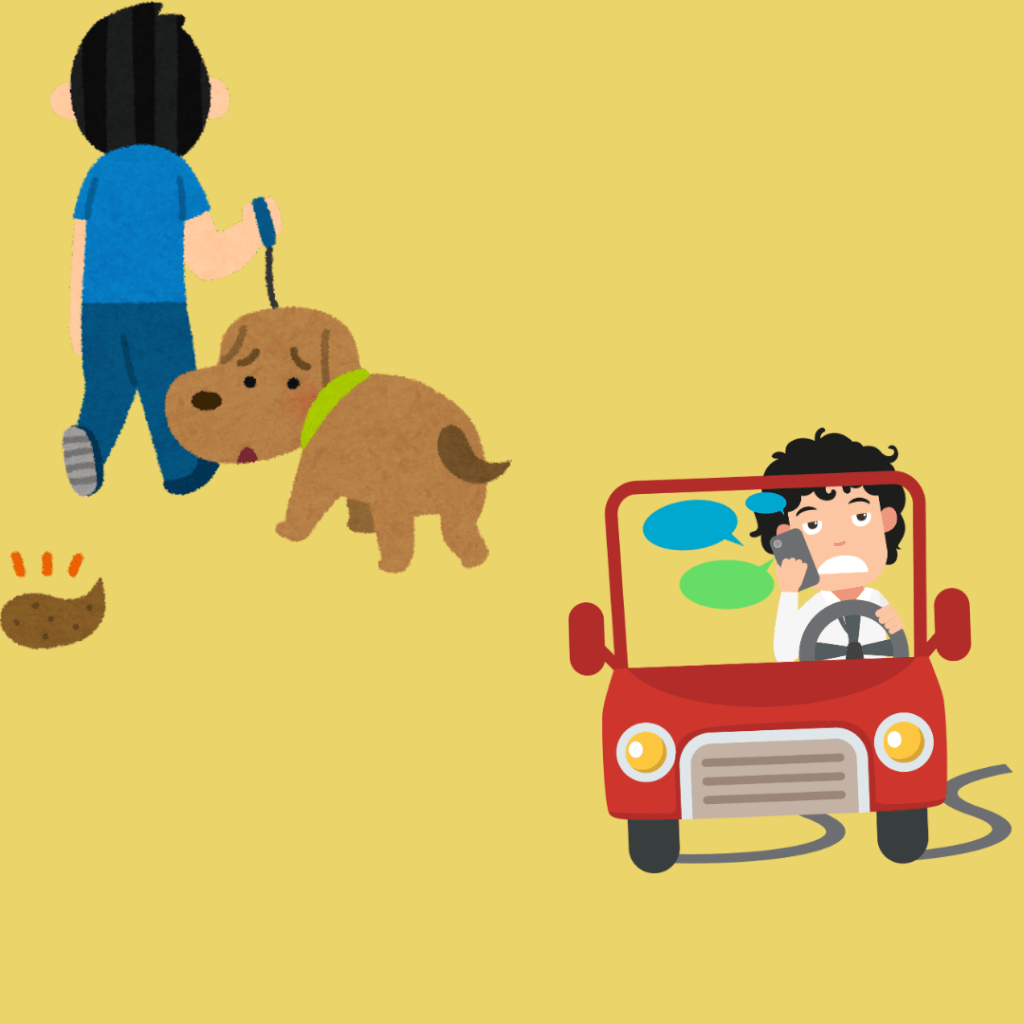
If you don’t remember anything else from this blog post, keep the element of negligence and its importance in mind.
Every business owner has a responsibility while doing business. This legal responsibility is known as a duty of care. Whether you create a product or perform a service, you must do so as safely as possible.
If you don’t, you could be held liable for being negligent towards someone else.
What is negligence? In personal injury law, it is the failure to display reasonable care to another person or organization.
If a person filed a personal injury claim against you, they would have to prove that your failure to exercise reasonable care resulted in significant injury.
Let’s say that you own a daycare center. As the owner, you must exercise a certain duty of care for each child in your facility.
Two children got hurt while playing on the merry-go-round of your facility. The parents of those two children can hold you liable for any injuries that their children endured while on your property.
The Concept of Damages
Another important element of a personal injury claim is damages.
Damages in personal injury law are the financial injury that a person endures as a result of someone else’s negligence. These damages could be:
- Medical expenses
- Loss of wages
- Pain and suffering
- Emotional and mental anguish
- Loss of enjoyment of life
- Physical injuries.
Personal injury claims surrounding businesses are not one-sided. As a business owner, you can also suffer damages due to another person or party’s negligence.
Let’s say that you are an auto mechanic. You order car parts from an auto manufacturer.
One day, you replace two tires on one of your clients’ vehicles. The next week, you discover that your client plans to sue you for a car accident that they were involved in.
According to the claim, the two tires you ordered from the manufacturing company were defective. The two tires blew out and caused the client to collide with the car in front of them.
Even though you didn’t know about the defective tires, the client could hold you liable for performing mechanical work on the vehicle before the accident.
This can cause you to lose the credibility and trust of your other customers.
This is just one example of how another business’s negligence can harm your business.
The Importance of Evidence
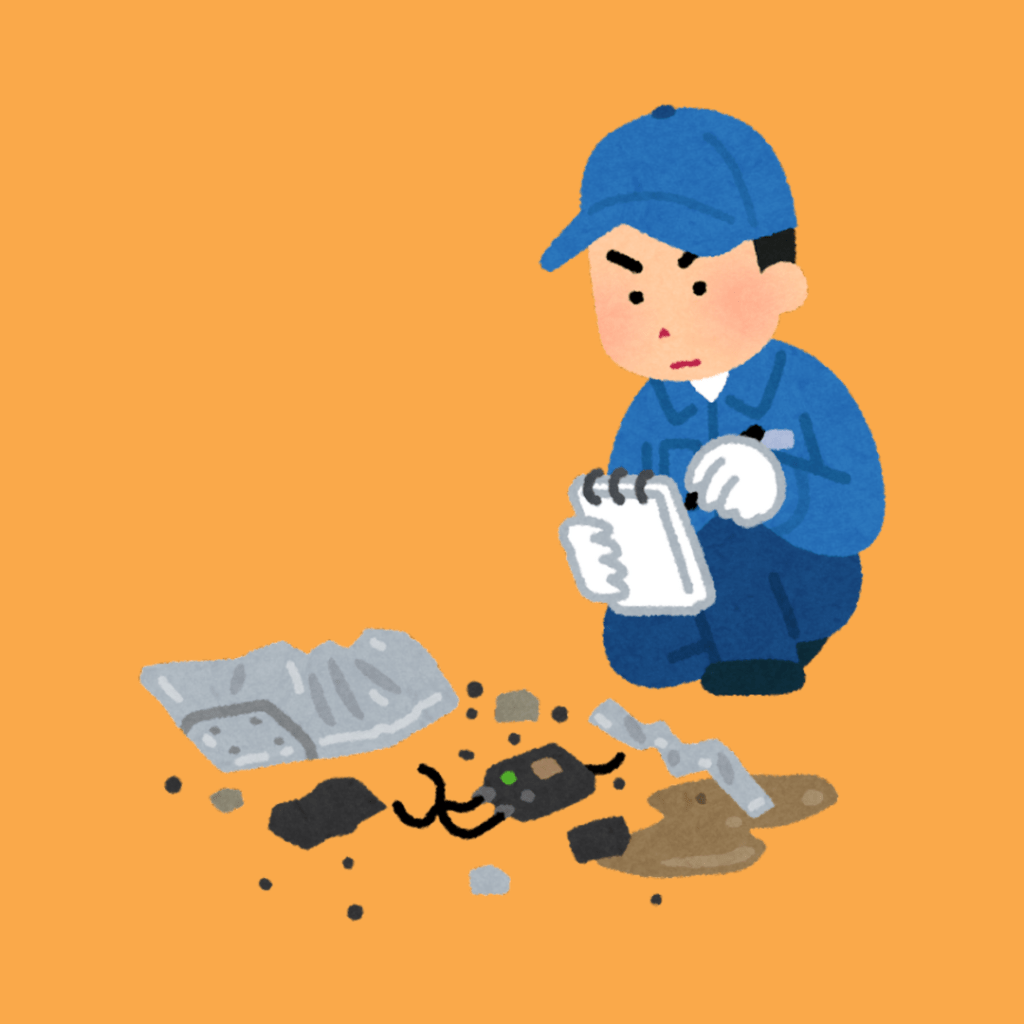
Another equally important element of a personal injury claim is the evidence presented.
In the world of business, the unexpected can always happen. Customers can get hurt while eating at your restaurant or shopping in your store.
There may even be a misunderstanding between what your customer expected to receive versus what they actually received.
When these incidents happen, a paper trail is always critical to have.
What type of evidence can help you in a personal injury claim?
- Emails, text messages, and other written correspondence
- Pay stubs, copies of checks, etc.
- Contracts
- Photographic evidence such as screenshots, videos, etc.
- Witness statements.
- Police reports.
The more evidence you have to support your claim, the better for your case.
Statute of Limitations
Time is one of the most important factors in a personal injury case. It’s easier to remember the incidents of your case while they are still fresh.
That’s why every personal injury case has a different statute of limitations.
The statute of limitations is the period that each personal injury victim has to take legal action against a negligent party. It depends on two factors:
- The state that the accident occurred in
- The type of personal injury accident.
Let’s say that you are a children’s toy manufacturer. One of your former customers wants to sue you for her child’s injuries.
According to her, you failed to provide safety instructions with your toy. As a result, the child almost choked on one of your toys.
Based on this information, the claim could be a product liability claim. Because you live in Maryland, your customer has three years from the date of the child’s accident to file a claim against you.
If you seek legal counsel for this type of claim, make sure to ask an attorney about the statute of limitations concerning your case.
Different Outcomes for Personal Injury Claims

Finally, the last element to remember with personal injury claims is that each outcome will be different.
One thing you should never do when it comes to legal matters is to be certain of an outcome. Even if the evidence is in your favor, you never know how the claim will be resolved.
Let’s say that you own an e-commerce business. You were recently the victim of a cyberattack that resulted in the theft of each of your customers’ confidential information.
One of your customers wants to sue you as a result. Although you have a legal duty to protect your customers’ information, there’s more information that comes out during the discovery phase.
The customer discovers that the IT company you hired to assist with cybersecurity is also responsible for failing to protect their information.
With this type of claim, you could be the only party held liable for this data breach or be held partially liable.
You may not be held liable at all. When it comes to personal injury claims, nothing is guaranteed.
Final Thoughts
No matter what your reasons are for getting started in business, your business is your baby.
You want to protect it from as many threats as possible.
That is why you want to gain as much knowledge as possible when it comes to personal injury law.
Just like in business, you have certain rights and responsibilities when it comes to personal injury cases. When a person or organization’s negligence causes harm to you and your business, you have the right to seek legal action.
And it’s not just one-sided. If an angry customer or party tries to accuse you of acting negligently, you have the right to defend yourself.
If you need more information on legal matters for business owners, check out my blog posts Do All Small Businesses Need Contracts? Yes! Here’s Why – Valeria Publications and What Most Writers Don’t Know About Their Copyrights – Valeria Publications.
What are your thoughts on personal injury law? Share in the comments section below.







 Valeria Publications
Leave a comment